
MHADRI · ABOUT US
About MHADRI
A global research community connecting migration, health and development.
Research that supports people on the move
The global Migration Health and Development Research Initiative (MHADRI) aims to advance evidence-informed global migration health policies and practices through international collaboration between migration health researchers.
Our shared purpose is to improve the health and wellbeing of people and communities affected by migration.
We are developing an international community of practice focused on quality, ethical and rights-based research that informs policy and programming.
Our approach
We bring researchers and stakeholders together to strengthen how migration health evidence is generated, shared and used.
01
Ethical, rights-based research
Generate high-quality research to inform policies and programmes that improve the health and wellbeing of people affected by migration.
02
Collaborative approaches
Create opportunities for collaborative and comparative research across disciplines, institutions and organisational settings.
03
Evidence shared widely
Support the dissemination of findings and public engagement with multiple stakeholders, connecting research with wider conversations.
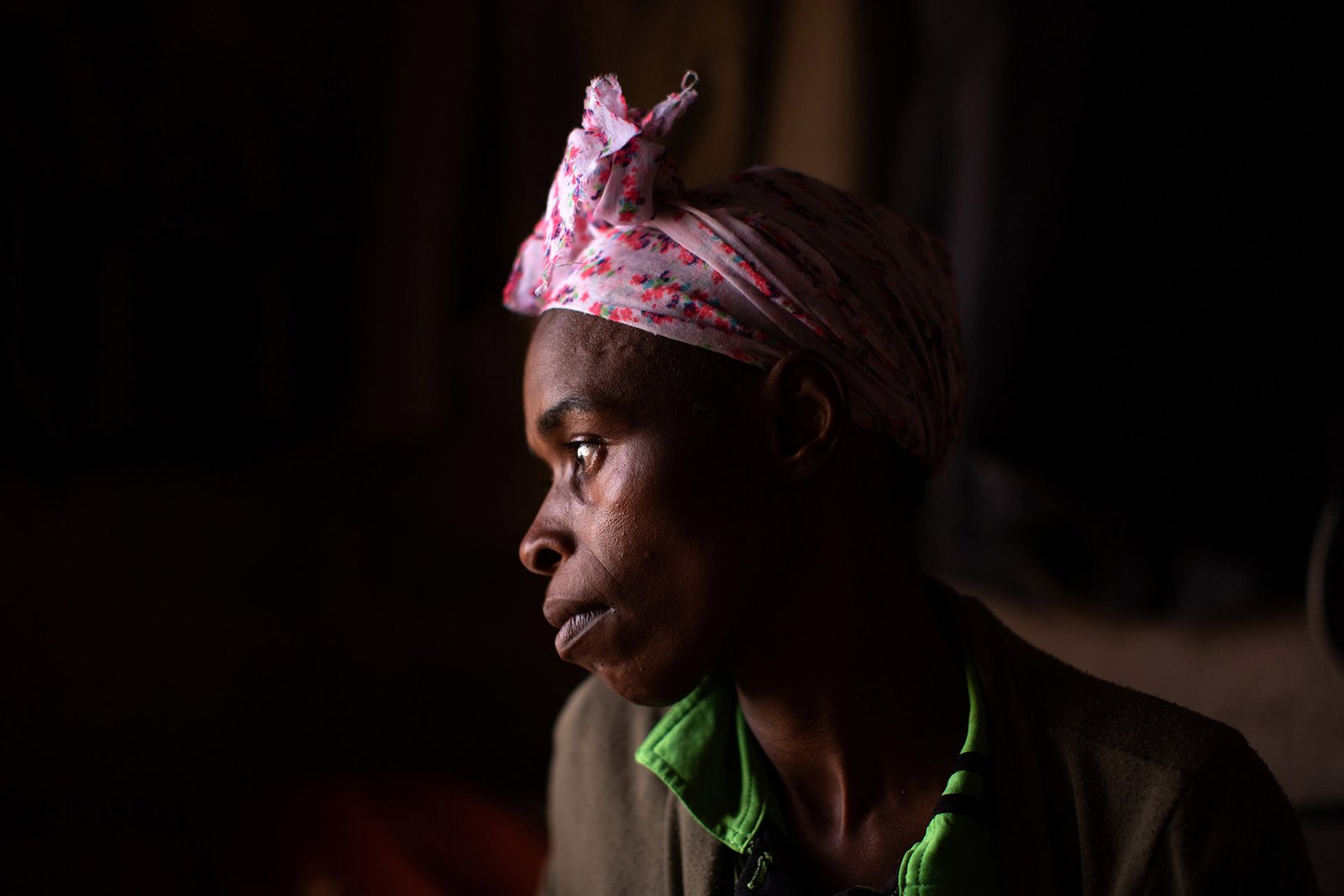
Migrant voices are central to our work
Ensuring that the voices of migrants are included in the network’s activities is central to our approach.
Our membership represents multiple actors, including academics and researchers based in civil society organisations who work with migrant groups. Together, they contribute different perspectives to a shared community of practice.
Explore MHADRI
The purpose and principles guiding our work.
The milestones that have shaped the network.
Meet the people behind the network.
Explore our community for emerging researchers.
Be part of our research community
We welcome active researchers from any discipline and organisational background—including early-career researchers, graduate students and NGO-based researchers—working on the relationship between migration and health.
Anyone who has undertaken or is currently undertaking research that advances knowledge of migration and health is eligible to join. We particularly welcome researchers based in Global South contexts and developing nations, including low-income, lower-middle-income and upper-middle-income countries.