miren2002@gmail.com

miren2002@gmail.com

[EVENT] 25th October 2018: Primary health care for the health of migrants

Access of refugees and migrants to health services is often framed within a human rights’ discourse. The right to the highest sustainable standard of health is recognised in the UN International Covenant on Economic, Social and Cultural Rights, and in other international treaties and conventions. The importance of health and well-being are also shown by the central place they hold within the Sustainable Development Goals (SGDs) - SDG Goal 3, Ensure healthy lives and promote well-being for all at all ages. When it comes to refugees and migrants, two pivotal documents are the World Health Assembly Resolutions 61.17 and 70.15, which urge the Member States to consider promoting the framework of priorities and guiding principles to promote the health of refugees and migrants. A WHO global action plan to promote the health of refugees and migrants is currently being developed in consultation with the countries.

Post-Doctoral Fellowship in the Epidemiology of Migration and Health

Dr. Marcelo Urquia at the Manitoba Centre for Health Policy (MCHP), University of
Manitoba invites applications for a post-doctoral fellowship in the Epidemiology of Migration and Health. The successful applicant will join a Canadian Institutes of Health Research (CIHR)-funded large multidisciplinary team of accomplished researchers,
clinicians, policy makers and community partners in Manitoba, Ontario and rest of Canada, with an interest in studying the health and wellbeing of immigrants to Canada (and other vulnerable populations) using a global gender-based framework.

[PAPER] Towards a migration-aware health system in South Africa: A strategic opportunity to address health inequity (2017)

Migration impacts the South African public healthcare system but not in the ways
often assumed, and sectors responsible for improving responses have a poor
understanding of migration. The need for better data is emphasised, existing policy
responses are outlined, and strategic opportunities for intervention are suggested.
Recommendations are made for migration-aware health systems that embed
population movement as central to the design of health interventions, policy, and
research. Such responses offer strategic opportunities to address health inequity, both
nationally and regionally, with resulting health and developmental benefits for all.

[PAPER] Infectious disease testing of UK-bound refugees: a population-based, cross-sectional study (2018)

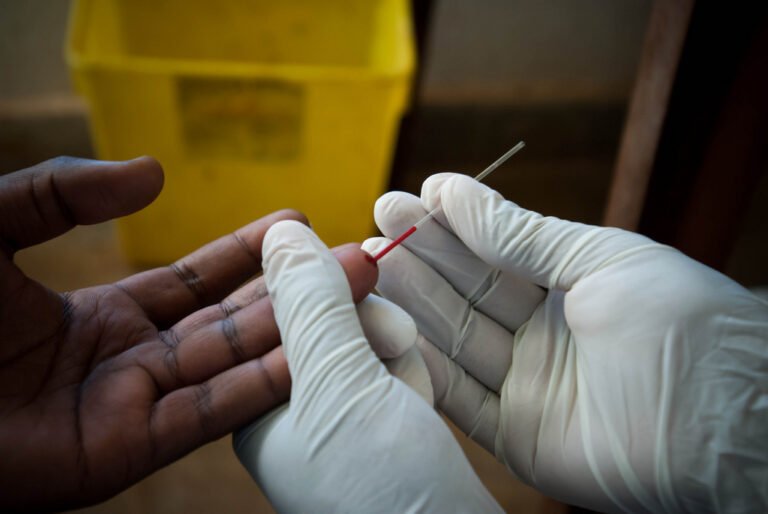
Testing refugees in an overseas setting through a systematic HA identified patients with a range of infectious diseases. Our results reflect similar patterns found in other programmes and indicate that the yields for infectious diseases vary by region and nationality. This information may help in designing a more targeted approach to testing, which has already started in the UK programme. Further work is needed to refine how best to identify infections in refugees, taking these factors into account.

[PAPER] Detention is still harming children at the US border (2018)

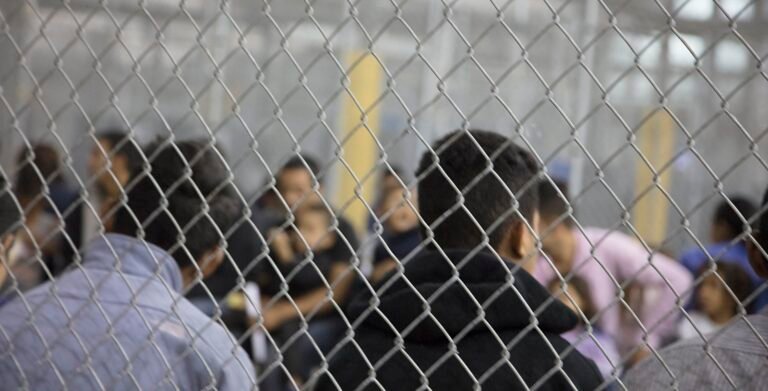
Healthcare practitioners who are dedicated to making the lives of children and their families better watched in disbelief as the ongoing situation of separating children from their parents unfolded at the southern border of the United States. We know that for many families the migration journey is traumatic and has lasting effects; separation and detention simply compound this trauma.

[PAPER] Missing: Where Are the Migrants in Pandemic Influenza Preparedness Plans? (2018)

The conditions in which migrants travel, live, and work often carry exceptional risks to their physical and mental well-being. Even if certain migrant groups have access to health services, they tend to avoid them due to fear of deportation, xenophobic and discriminatory attitudes within society, and other linguistic, cultural, and economic barriers. Evidence indicates that social stigmatization and anxieties generated by restrictive immigration policies hinder undocumented immigrants’ access to health rights and minimizes immigrants’ sense of entitlement to such rights.

[PAPER] Prevention and assessment of infectious diseases among children and adult migrants arriving to the European Union/European Economic Association: a protocol for a suite of systematic reviews for public health and health systems (2017)

The European Centre for Disease Prevention and Control is developing evidence-based guidance for voluntary screening, treatment and vaccine prevention of infectious diseases for newly arriving migrants to the European Union/European Economic Area. The objective of this systematic review protocol is to guide the identification, appraisal and synthesis of the best available evidence on prevention and assessment of the following priority infectious diseases: tuberculosis, HIV, hepatitis B, hepatitis C, measles, mumps, rubella, diphtheria, tetanus, pertussis, poliomyelitis (polio), Haemophilus influenza disease, strongyloidiasis and schistosomiasis.