miren2002@gmail.com

miren2002@gmail.com

Migration and Disability in South Africa

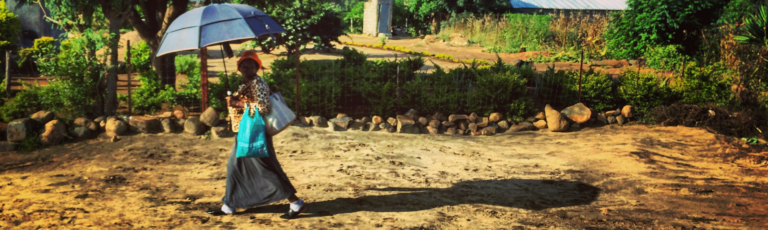
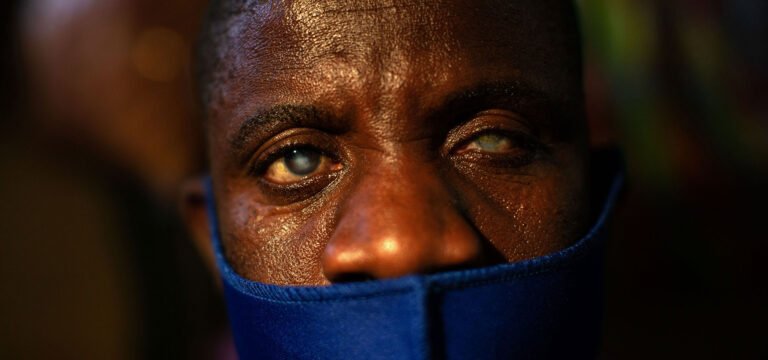
This project and resulting brief consisted of 39 semi-structured key informant interviews with those who have direct experience in working with migrants with disabilities. COVID-19 restrictions meant that migrants with disabilities themselves were not interviewed, although the project included a photojournalism insight into their lives and experiences.

COVID-19 VACCINE IN AFRICA

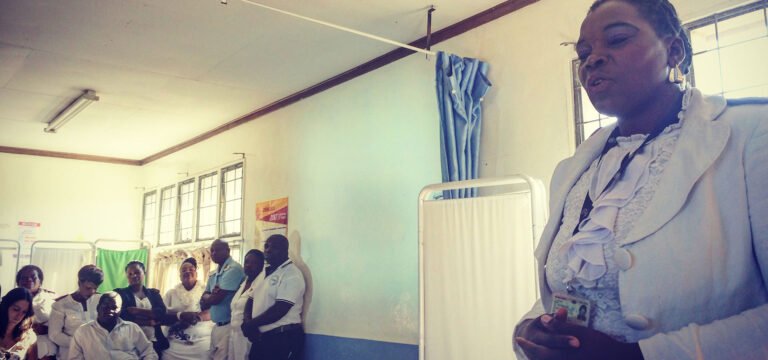
By: Rebecca Walker, Nicholas Maple & Jo Vearey Researching Migration & Coronavirus in Southern Africa (MiCoSA)June 2021 This occasional paper is the start of a series that explores the impacts of COVID-19 and ensuing responses on migration and the wellbeing…

Get involved!

The IOM Migration Health Division (MHD) Research and Epidemiology Unit is currently updating the Bibliometric Analysis of COVID-19 in the Context of Migration Health.

To efficiently do this, we are seeking the help of interested MHADRI members, specifically in screening and tagging relevant publications in which MHADRI members can participate as reviewers.

The MHD Research and Epidemiology Unit will then organize and deliver a quick training for the reviewers to guide them on the step-by-step process. Rest assured too that we will acknowledge your work in the paper.

BMJ series on Migration and Health

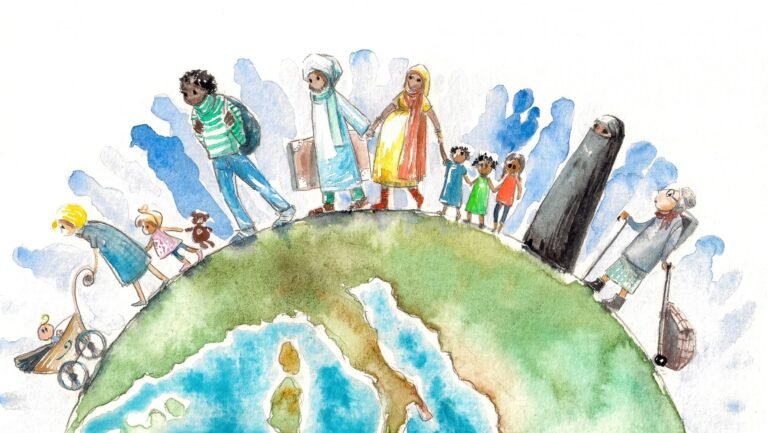
September 2019 saw the launch of the BMJ’s migration health series, developed in collaboration with the Migration Health and Development Research Network (MHADRI) and the United Nations Migration agency. It aims to provide insights and perspectives by migrants and refugee communities, government authorities, researchers, policy makers, practitioners, civil society and industry groups in the issues, challenges and complexities in advancing migration health at national, regional and global levels.

Health and Migration Collaborative Community Launch

On 25 May 2020, the 1st Symposium on Migration, Health and Integration will take place. The symposium, a collaboration between the Maastricht Graduate School of Governance/UNU-MERIT (with the Maastricht Centre for Global Health and the Maastricht Centre for Citizenship, Migration and Development) and the Radboud University Network on Migrant Inclusion (RUNOMI) in Nijmegen, will highlight the complex intersections between migration, health and integration through discussions around both research and practise.
The symposium will bring together academics, including students and early career researchers, health professionals, policymakers and representatives of civil society to discuss issues related to migrant health.

The event will also mark the official launch of the Health and Migration Collaborative Community website, a growing resource portal that provides short analytical reviews and other support materials for academics, practitioners, policymakers, and other stakeholders interested in issues related to migration and health.

[Open Access] Bibliometric Analysis on COVID-19

"Ensuring the integration of migrants and refugees in the response to COVID-19 requires knowing and understanding the existing scientific evidence. This mapping activity aims to identify and assess research publications on COVID-19 focusing on migration, migrants and human mobility; specifically mapping research productivity on COVID-19 in the context of migration health by author, country, institution/ organization, health theme, and migrant topic (i.e. migrant type and type of movement).

Results from this mapping activity will provide guidance to MHD colleagues and the public on concerns relevant to COVID-19 and migration health by making this available in the Migration Health Research Portal. The COVID-19 page in the portal will feature key publications."

[Open Access] Neglect of low-income migrants in covid-19 response

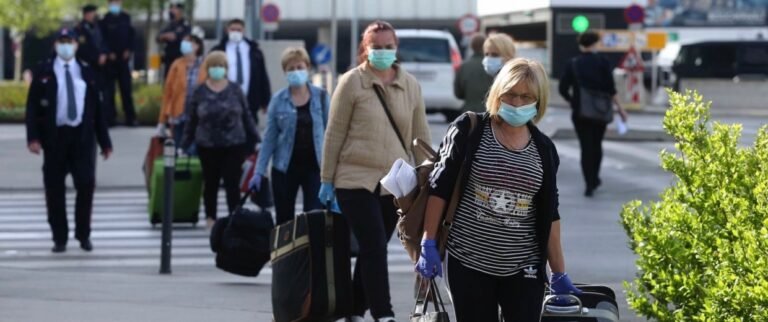
"Given the regional implications, countries in South Asia must “act in unison” to conceive public health for the entire region. [6] The Covid-19 Emergency Fund created by South Asian Association for Regional Cooperation (SAARC) is a promising step. However, an effective response requires greater regional cooperation, facilitating safe passage, and strong political commitment to universalise health and social protection, continue primary care and guarantee socio-economic rights. Ignoring poor migrants and those in informal economies nationally will not only erode lives but also impede national economic and social recovery from covid-19."

[Open Access] National Preparedness and Response plans for COVID-19

"An inclusive approach to epidemic control requires detailed knowledge and information about all relevant population groups, including their demography, their cultural-linguistic and socio-economic needs and of course, their health and illness, including COVID-19. The benefits of ensuring that public health messages can be understood and help appropriately should be obvious for any public health campaign and are vital if COVID-19 is to be successfully controlled. It is also critical to understand potential benefits and costs of public health measures to all population groups, and to avoid inadvertently aggravating vulnerabilities, such as deterrence of health service access through police-enforced social distancing measures or separation of migrants from family and social support networks when being stranded due to border closures.

In many countries, rapidly applied and crude public health measures for COVID-19 are increasingly being fine-tuned in renewed efforts of deconfinement of populations. This phase will require detailed knowledge and information about the epidemic and active inclusion of all migrant population groups in healthcare and in epidemic control plans will not only be the right thing to do from a human rights perspective, but also vital to successful COVID-19 control going forward."